NEW YORK 2026 · EXPERIENCE DESIGN
Immersive Spaces: The Art of Pacing an Experience
Light, sound, movement and scent unfold over time. A thoughtful immersive experience considers the entire sequence, including the moments that allow it to settle.
An immersive experience is composed in time. Its effect depends on the sequence of an arrival, the first cue, the development of a story and the moment a visitor returns to the surrounding environment. Light, sound, motion and scent acquire meaning through that progression.
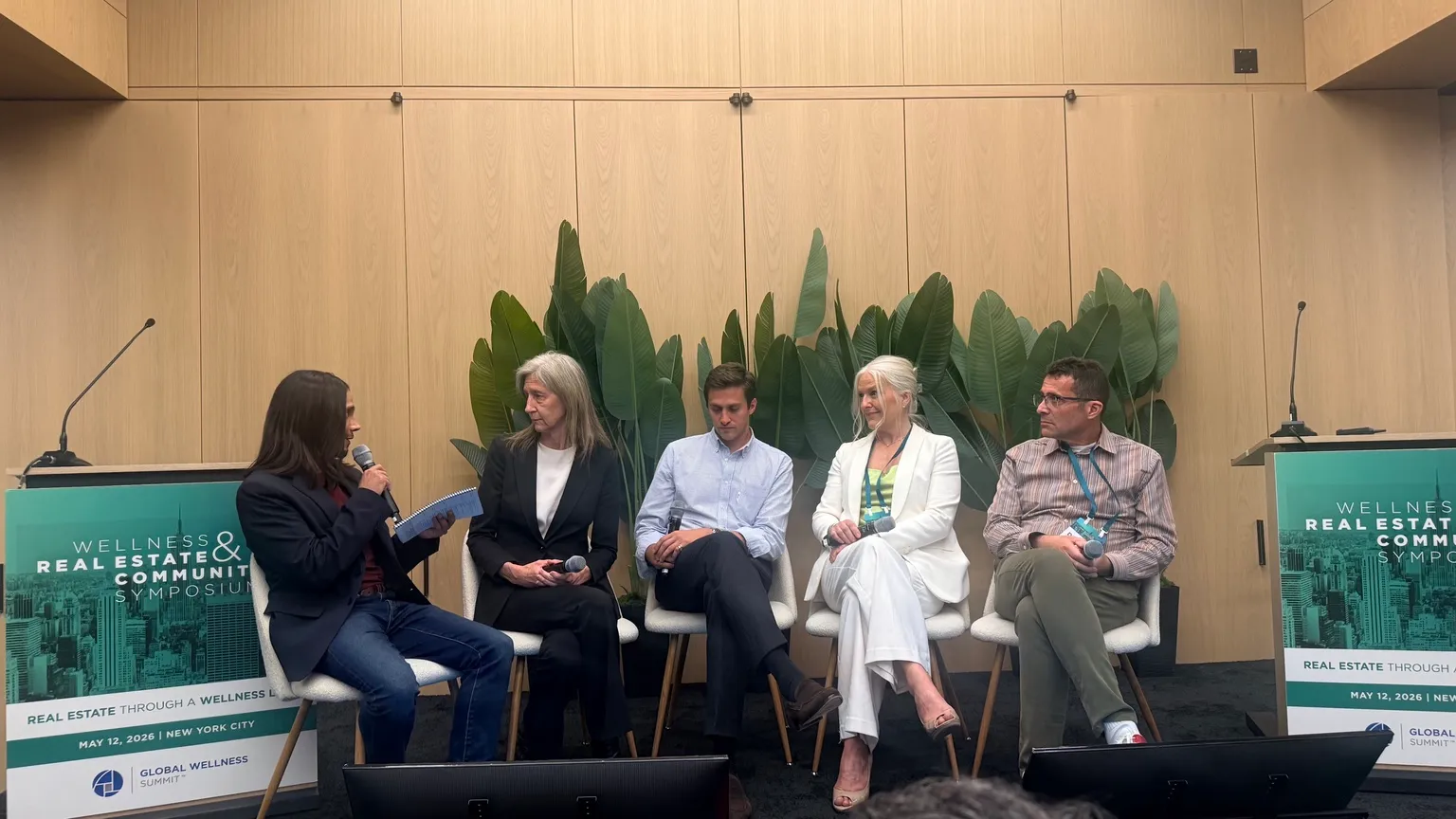
At the New York symposium, Deron Triff approached this subject through a personal account of a Flyover experience in Las Vegas. He described moving through simulated landscapes accompanied by motion, air, mist, scent and music, then returning to the city feeling calmer. That observation led him to ask how immersive storytelling might influence physiological responses.[1]
For hospitality design, the interesting question concerns the decisions inside that sequence. What builds anticipation? How is intensity introduced? Where can a person pause? The answers influence the character of an experience well before any claim about its benefits is considered.
The threshold sets expectations
An experience begins before its principal room. The approach, waiting conditions and first exchange with a member of staff all contribute to what follows. A guest may arrive with luggage, after a long journey or between other commitments. The transition needs to accommodate that ordinary reality.
A well-considered threshold can establish the pace and make participation understandable. Guests should know enough about the nature and duration of an experience to choose it comfortably. Belongings, seating and access need to be resolved. These practical arrangements allow the intended encounter to receive attention.
Within a hotel or retreat, the location of the experience also matters. Its entrance may sit beside an active social area or within a quiet sequence of rooms. The relationship should be deliberate, with appropriate attention to sound, visibility and the movement of other guests.
Give each sensory element a role
Light may direct attention or reveal a change in scale. Sound may establish distance, rhythm or continuity. A material encountered by the hand can ground an otherwise highly visual setting. Scent can contribute to a particular moment, provided its intensity and persistence have been considered.
The design task is to decide how these elements relate. If every channel changes at once, the experience may become difficult to follow. If a single element remains dominant throughout, there may be little room for contrast or discovery. Pacing creates a structure in which attention can move.
This applies to modest settings as well as large installations. A restaurant, treatment sequence or arrival route can be examined through the same questions. The timing of a lighting change, the transition between sound environments and the placement of a pause can influence how the whole is understood.
Choice belongs within immersion
An experience should accommodate different appetites for intensity. Some visitors welcome motion and unfamiliar sensory conditions; others prefer a more stable point of reference. Seating options, clear information and an unobtrusive way to leave can support participation without making the choice itself uncomfortable.
A quiet place after the principal experience deserves equal attention. The transition back to a corridor, restaurant or busy lobby can be part of the composition. Giving that return sufficient space allows the experience to conclude with the same care as its opening.
For operators, this requires coordination between creative direction, architecture, technical production and service. Staff need to understand the intended pace and the available alternatives. Equipment needs maintenance. A sensory sequence should be reviewed under the conditions in which guests will actually encounter it.
Research can refine the ambition
Project VELUM describes its work as an effort to understand how immersive storytelling influences the human nervous system and to develop experiences informed by that knowledge. Its stated ambition includes the study of physiological restoration.[2]
For a project team, that research direction is a reason to define outcomes carefully. Enjoyment, engagement, a reported feeling of calm and a physiological measurement describe different things. Establishing an intended outcome makes it possible to select an appropriate way to evaluate it.
Guest feedback can reveal whether the sequence was understandable, comfortable and worth repeating. Observation can identify where people hesitate or disengage. Where physiological outcomes are proposed, qualified research partners are needed to design and interpret the assessment. The language used to describe an experience should remain consistent with what has been established.
SOMA’s interest in immersion centres on the relationship between sensory composition and the guest’s freedom within it. The experience can have a strong identity while allowing different ways to participate. Its quality is expressed through timing, transitions and the care given to the return to ordinary activity. Those are decisions a design team can examine, refine and carry through into operation.