A FIELD GUIDE / GUEST EXPERIENCE
Designing a boutique retreat around the guest journey
Five decisions that connect hospitality identity, sense of place, sensory comfort and the realities of a working property.
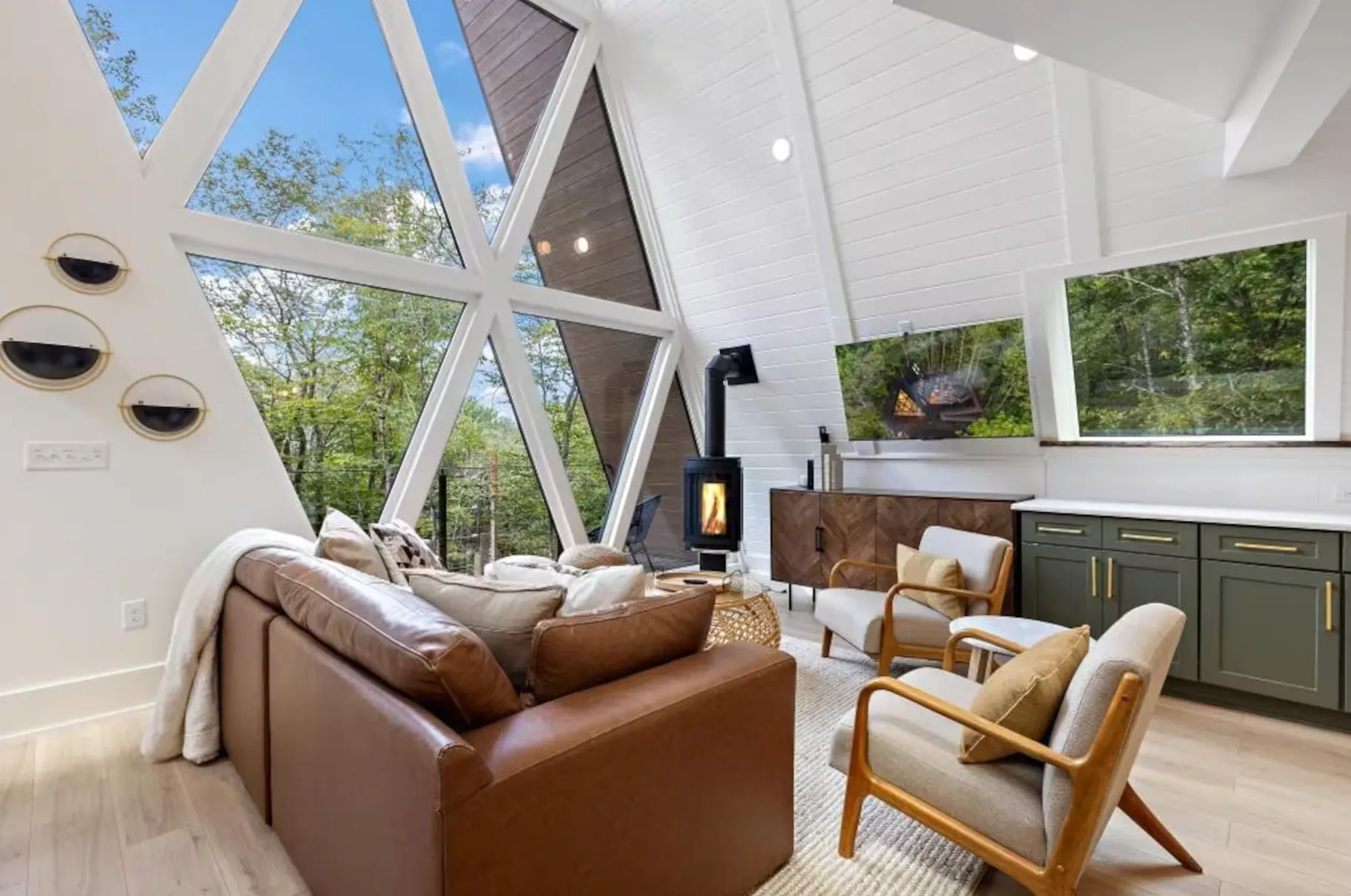
A memorable retreat rarely begins with a furniture selection. It begins with a decision about what guests should understand, feel and be able to do from the moment they arrive. The quality of that experience depends on how spatial choices support the property's character, the people who operate it and the people who stay there.
This framework is a practical starting point for owners, developers and their design teams. It is an editorial perspective from SOMA Design Studio, not a claim of measured clinical or financial results.
1. Define the experience before the aesthetic
List the few qualities that should distinguish the stay: privacy, discovery, connection to landscape, gentle ritual, or social energy. Translate those words into observable design choices. For example, an emphasis on privacy might change sightlines, acoustic separation, entry sequencing and the distance between places to gather and spaces to rest.
2. Map arrival as a sequence, not a lobby
A guest's first encounter may begin at a driveway, garden path, door or reception desk. Consider wayfinding, luggage movement, weather protection, welcome rituals, seating and the transition from the outside world. A beautiful entrance is less compelling when it is difficult to navigate or operate.
3. Create a sensory brief
Daylight, glare, acoustics, temperature, scent choices, texture and the transition from stimulation to quiet can shape perceived comfort. Discuss who the spaces serve, what moments may be demanding and which qualities can be designed and maintained consistently. Choose sensory details deliberately; do not assume every guest experiences the environment in the same way.
4. Let landscape and local character guide materials
Biophilic thinking can include views, daylight, natural textures, vegetation and patterns of shelter and prospect. It does not require every room to be filled with plants. Materials should also be evaluated for durability, cleanability, maintenance and consistency with the project's operating model.
5. Align design intent with the operational brief
Guest experience and back-of-house planning are inseparable. Involve owners, operators, architects, procurement and facilities teams early. Define responsibility for technical services and approvals, and evaluate FF&E selection alongside cleaning requirements, replacement lead times and anticipated use.
Where does SOMA contribute?
SOMA supports owners and development teams with early-stage spatial experience strategy, interior direction, material and furnishing concepts, and collaboration across disciplines. Technical architectural, engineering and regulated services remain with qualified local professionals under the agreed project scope. SOMA is based in Charlotte, North Carolina and welcomes select national and international briefs.
Questions owners often ask
What is boutique retreat guest experience design?
It is the coordinated design of how a visitor finds, enters, uses and remembers a property. It connects spatial flow, brand expression, materials, sensory conditions and operational practicalities.
When should interior and guest experience strategy begin?
Ideally early enough to inform circulation, room relationships, entry sequence and amenity planning, before expensive technical decisions and procurement become fixed.
How is it different from decorative styling?
Styling is one visible layer. Guest experience strategy also considers the sequence of spaces, privacy, practical movement, sensory comfort, wayfinding and consistency throughout the property.